Comparison · Works: 14

The Passion: action, witness and stillness

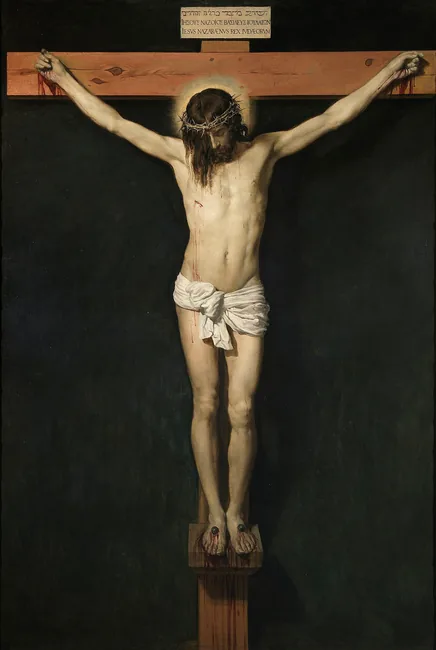
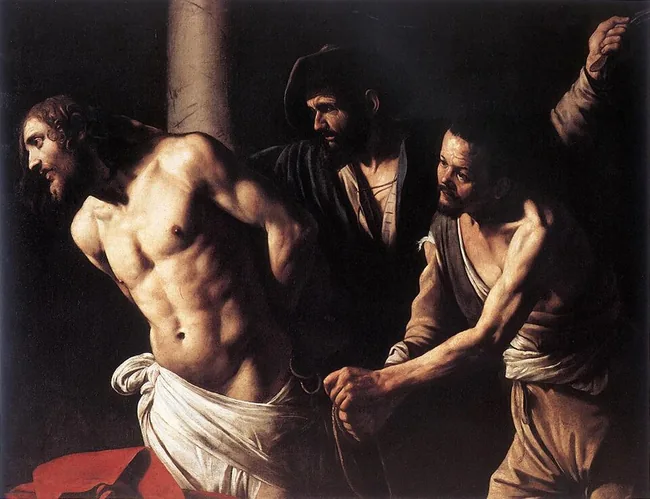
Caravaggio, Van Dyck and Velázquez do not stage sacred suffering in the same way. A close flagellation brings the viewer against the victim; the crowded Le Coup de Lance distributes attention among actions and witnesses; Velázquez isolates the crucified body against darkness.

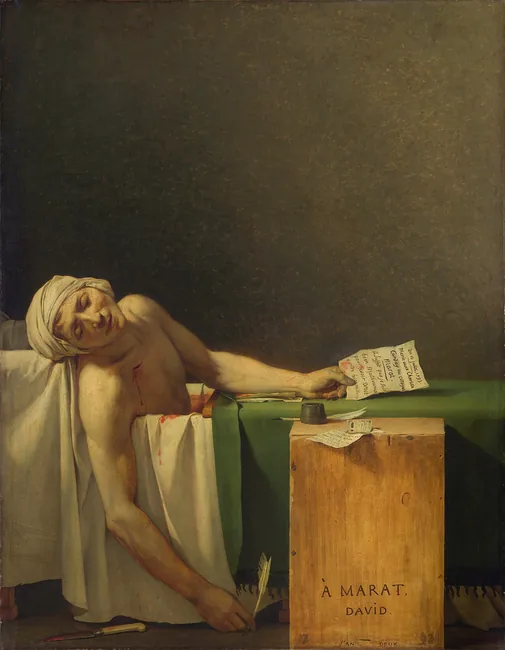
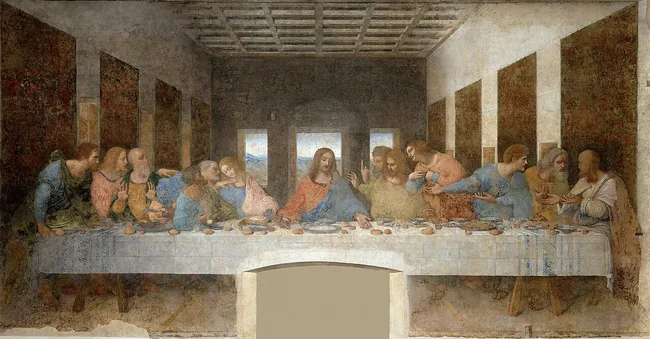
Leonardo’s Last Supper supplies the preceding drama of betrayal, while Giulio Romano’s Nativity introduces Longinus before the Passion itself. David’s Marat is included as a comparison in pictorial language: political martyrdom can borrow the visual restraint of devotional art without sharing its subject.

Look at the works together

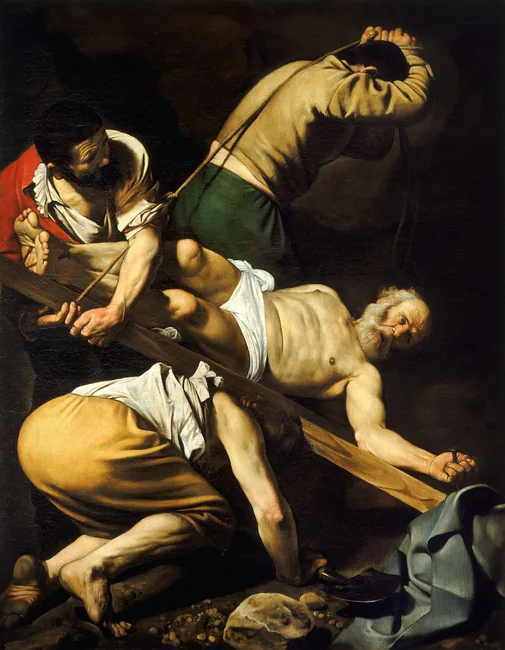
The Crucifixion of Saint Peter

Community inventory

The executioners lift a cross carrying an old man; weight, effort and exposed flesh dominate the scene. Caravaggio makes martyrdom material and immediate. Compared with grand visions of judgment, the emphasis falls on the vulnerable body and the mechanics of violence.
View catalogue entry

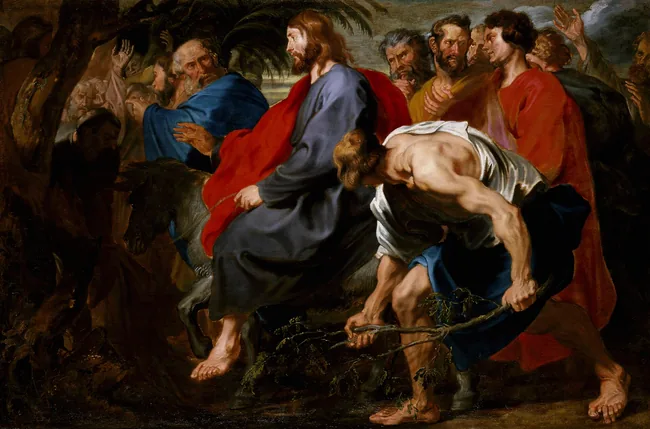
Entry of Christ into Jerusalem

Community inventory

Jesus rides a donkey while his disciples accompany him on foot. The humble animal offers a different image of authority from the royal ceremonies elsewhere in the gallery.

View catalogue entry

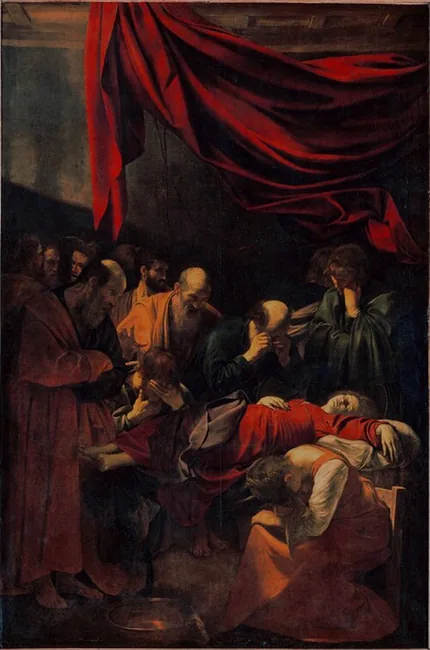
Death of the Virgin

Community inventory

Laerzio Cherubini commissioned it for Santa Maria della Scala in Rome in 1601. The heavy body and surrounding grief bring a sacred subject into the physical experience of mourning.

View catalogue entry

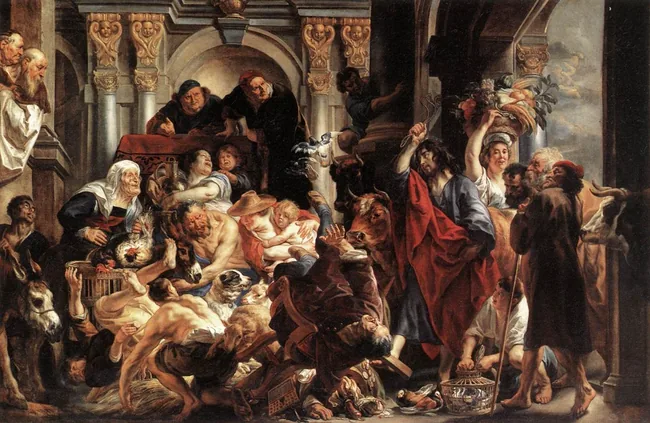
Christ Driving the Merchants from the Temple

Community inventory

A sacred interior becomes a scene of collision. Crowded bodies and displaced goods make the expulsion physically turbulent: religious authority acts by interrupting commerce. Compare this packed scene with the stillness of Velázquez’s solitary crucified Christ.

View catalogue entry

The Death of Marat

Frame evidence

A dead revolutionary is presented with the restraint of a devotional image. The letter, pen and wooden box turn a private killing into a public argument about virtue. Set beside the Passion scenes, the painting makes political martyrdom borrow the language of sacred mourning.

View catalogue entry

The Last Supper

Frame evidence

Leonardo arranges the apostles’ reactions around Christ after the announcement of betrayal. Hands, glances and clustered bodies carry the drama. The game turns a wall painting into a framed image: its original architectural setting is part of what this reproduction leaves behind.

View catalogue entry

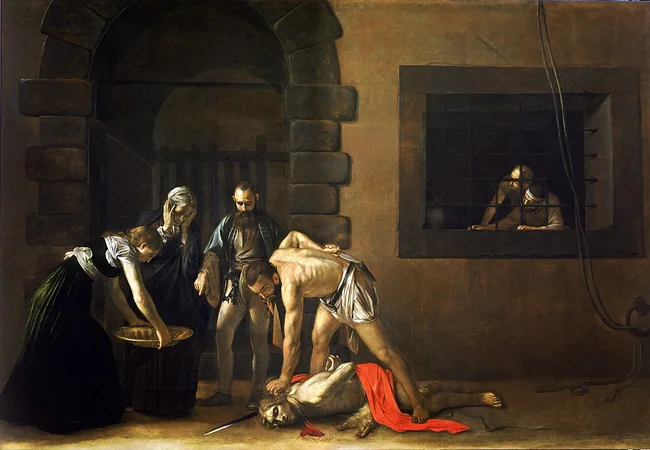
The Beheading of Saint John the Baptist

Community inventory

The execution unfolds in a broad, bleak architectural space. Figures witness an irreversible action rather than an idealised heroic pose. Compare the Baptist’s vulnerable body here with the youthful figure in Piaggi’s room: a shared identity does not produce a shared emotional register.

View catalogue entry

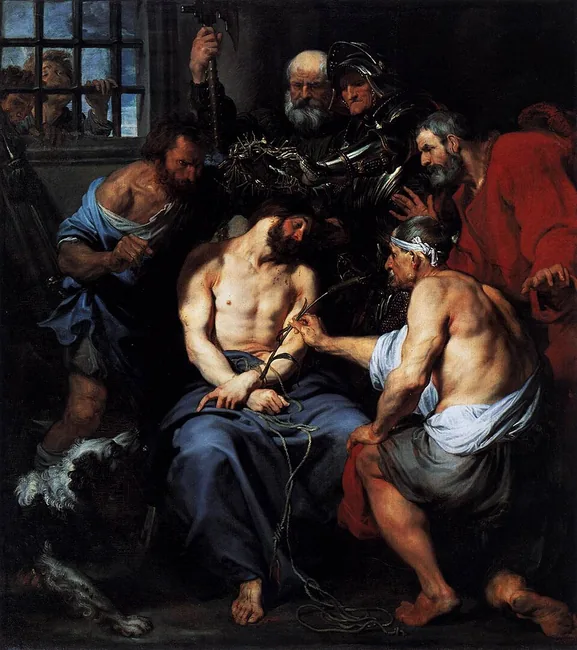
Christ Crowned with Thorns

Community inventory

The mock crown and reed convert royal attributes into instruments of humiliation. Christ’s exposed body is surrounded by gestures of force and spectatorship. Read it beside the gallery’s real royal ceremonies: the same signs of sovereignty can proclaim authority or parody it.

View catalogue entry

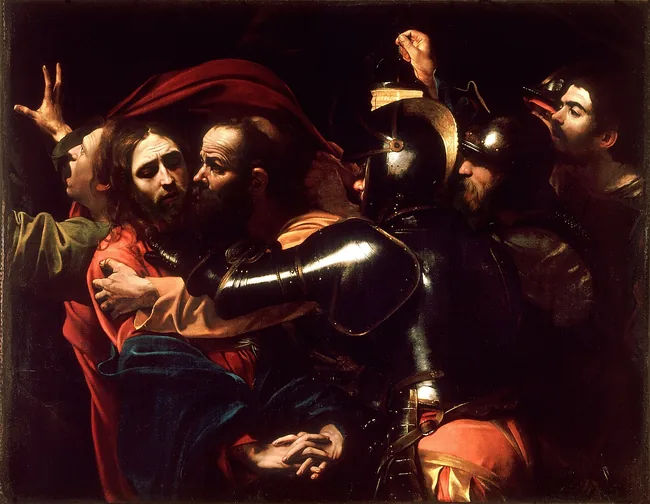
The Taking of Christ

Community inventory

Judas’s identifying kiss and the soldier’s polished armour crowd Christ into a compressed night scene. Recognition becomes betrayal. The painting invites attention to gestures and proximity: intimacy, fear and organised violence coexist within a small area of illuminated flesh.

View catalogue entry

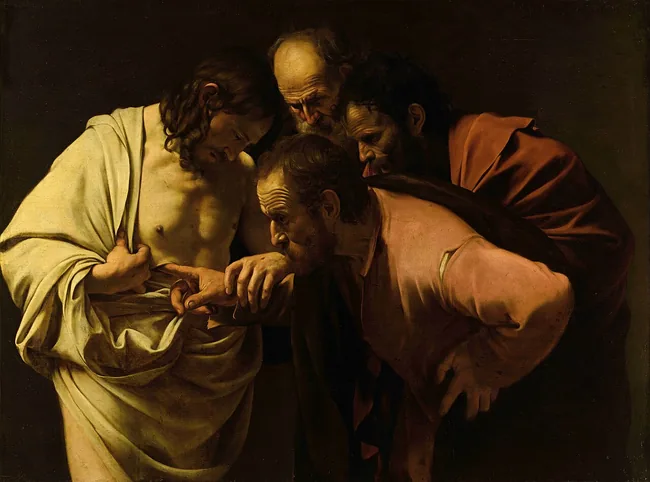
The Incredulity of Saint Thomas

Community inventory

Christ guides Thomas’s finger into the wound in his side while two disciples inspect the encounter. The compressed grouping makes doubt an act of looking and touching. Once in the Giustiniani collection, the painting reached the Prussian collection in 1815.

View catalogue entry

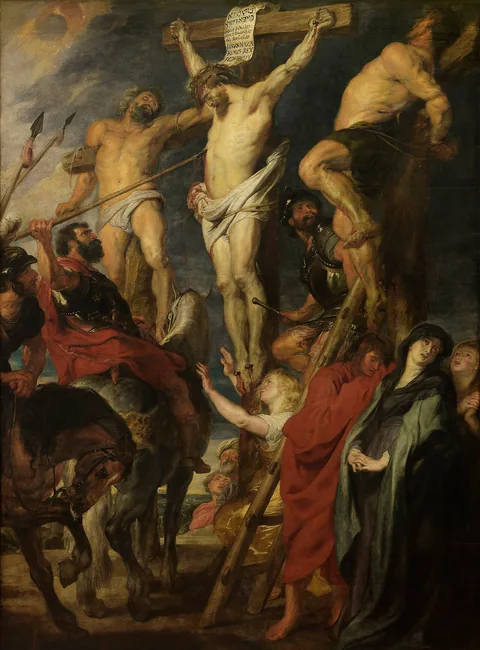
Christ on the Cross: Le Coup de Lance

Community inventory

The lance makes the crucifixion a scene of bodily testimony: an action is performed and witnessed. It belongs beside the other Passion scenes, but also beside the Nativity with Longinus in the study, where the same saint appears in a different devotional setting.

View catalogue entry

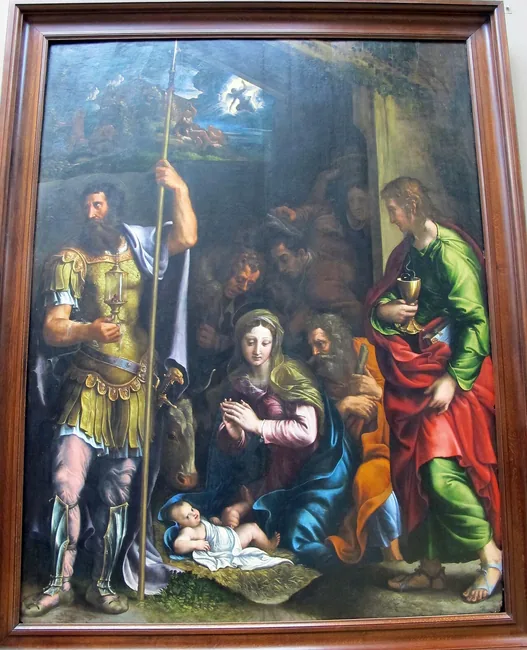
Adoration of the Shepherds with Saints Longinus and John

Community inventory

The Nativity is framed by saints whose attributes connect Christ’s birth with his later sacrifice. Longinus brings the Passion into a scene of adoration. In the study this creates a useful comparison with Le Coup de Lance, without needing to reveal the game’s puzzles.

View catalogue entry