Comparison · Works: 16

Bodies, desire and the act of looking

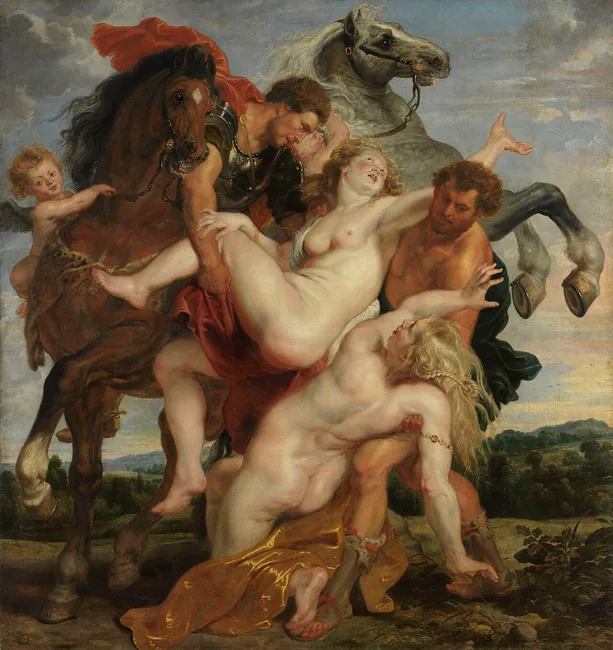
The nude body can signify divine power, vulnerability, seduction, learning or fear. Piaggi’s mythological images make the contrast particularly visible: Cupid’s triumph, the violent abduction of the Leucippides and Correggio’s sleeping Venus organise very different relationships between bodies and spectators.

Elsewhere, an anatomy lesson turns a body into a source of knowledge, and Fuseli turns sleep into terror. These comparisons should preserve the differences between erotic imagery, medical observation and religious or mythological suffering. Nudity alone is not an interpretation.

Look at the works together

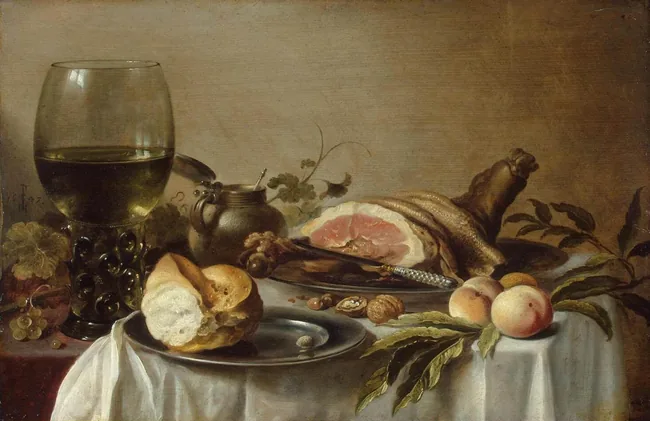
Breakfast with Ham

Community inventory

A wine glass, ham, pewter plate and mustard pot create a breakfast arrangement. Claesz varied this grouping in works dated 1647. Reflections and contrasting textures make everyday provisions worthy of close attention, offering a counterpart to the room’s enchanted feasts.
View catalogue entry

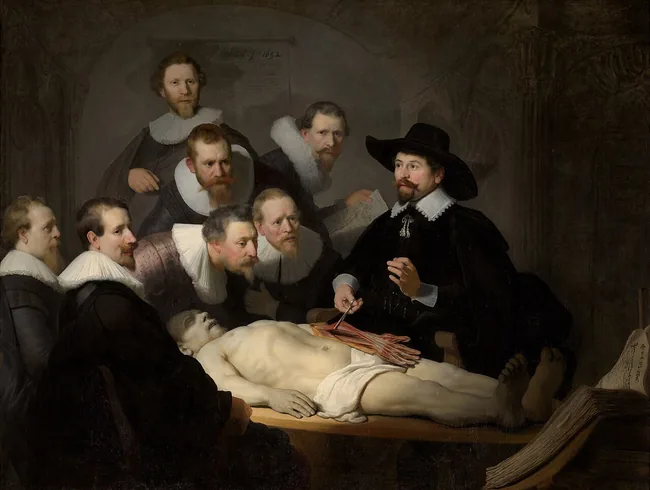
The Anatomy Lesson of Dr Nicolaes Tulp

Frame evidence

The illuminated body is the centre of a collective exercise in looking. Tulp’s demonstration and the surrounding faces turn dissection into both instruction and professional portraiture. Compare the organised witnesses here with the scientists and philosophers gathered in Raphael’s School of Athens.

View catalogue entry

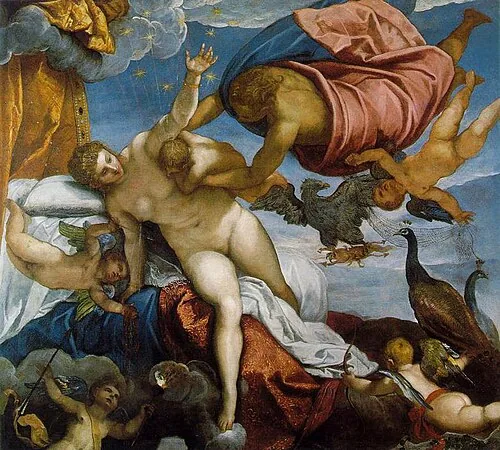
The Origin of the Milky Way

Community inventory

Jupiter brings Hercules to the sleeping Juno so that her milk can grant immortality. Sudden movement turns an intimate bodily event into a cosmic origin. The present canvas is only the upper part of a larger composition; its missing lower section once connected heaven to earth.

View catalogue entry

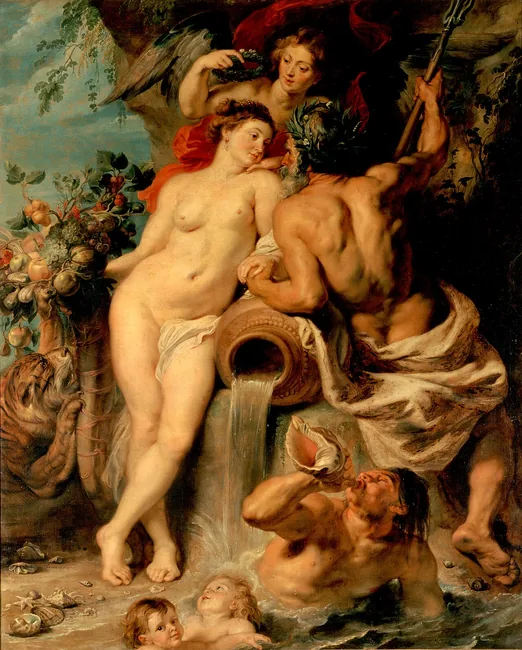
The Union of Earth and Water

Community inventory

The meeting of personified elements promises abundance. Bodies and attributes make an abstract alliance tangible, connecting fertility with prosperity. Compared with Rubens’s falling Phaeton or tortured Prometheus, this mythological body is an instrument of concord rather than catastrophe.

View catalogue entry

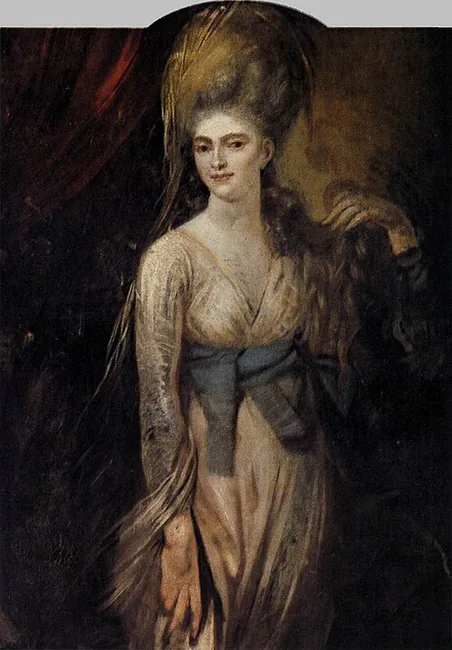
Portrait of a Young Woman

Community inventory

The painted woman belongs to the reverse of the Detroit Nightmare. Thinking of the two sides together links the outward likeness of a person with an invented scene of fear. That material relationship is more precise than treating the two pictures as unrelated works.

View catalogue entry

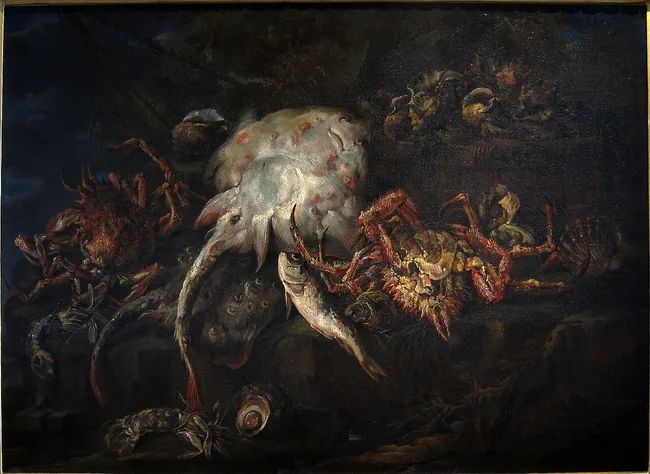
Still Life with Ray, Crabs and Shells

Community inventory

Fish, crabs and shells make a concentrated study of different surfaces and forms. Its repeated placement in the service stairs and Wöllner’s room is a reminder that game assets can recur across settings. Repetition alone does not establish a secret thematic message.

View catalogue entry

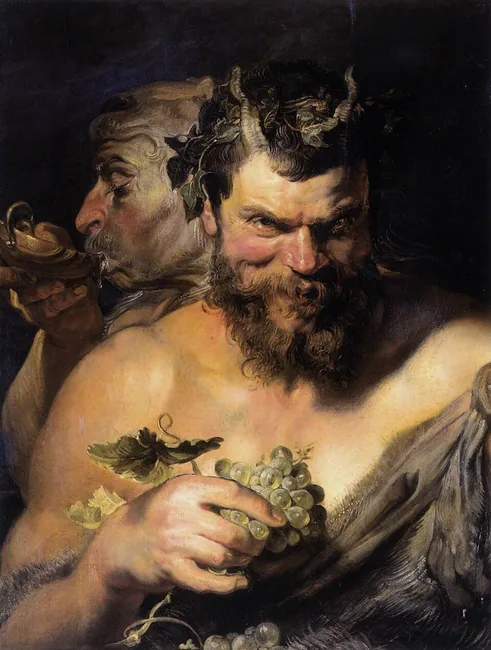
Two Satyrs

Community inventory

Two faces press into a remarkably tight frame. Loose brushwork makes the mythological creatures feel close and physical. The museum’s technical study shows that Rubens enlarged the panel to add the second satyr: the crowded composition was developed through revision.

View catalogue entry

Plucked Turkey

Community inventory

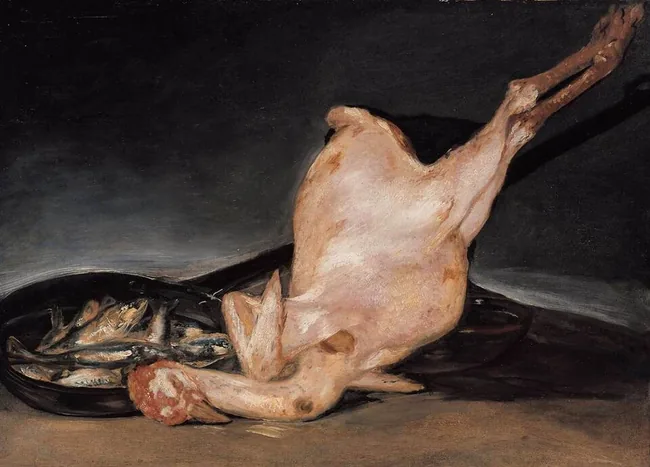
The suspended bird makes the still life unusually severe: food appears as a dead, exposed body. It connects the mansion’s banquets and animal imagery with a broader concern for mortality. That visual reading need not imply a specific plot clue.

View catalogue entry

Saint John the Baptist (Youth with a Ram)

Community inventory

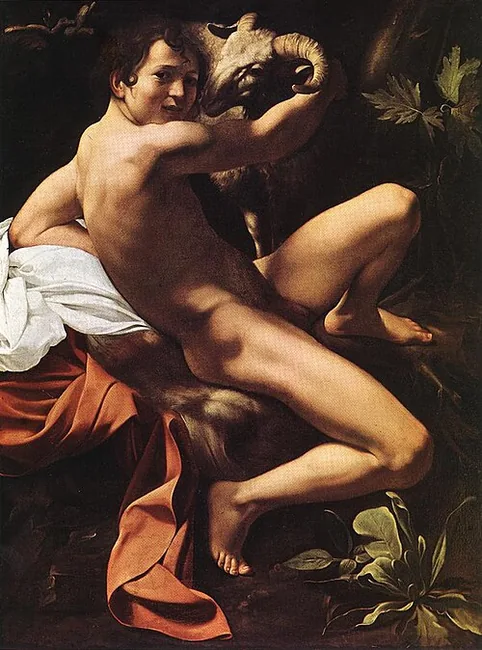
The youthful saint sits with a ram, his pose giving a religious figure an unusually immediate bodily presence. The composition is related to Michelangelo’s Sistine figures. Its private collecting context differs from Caravaggio’s large public altarpieces, although exact versions require care.

View catalogue entry

Resting Girl

Community inventory

Boucher’s reclining figure belongs to the history of intimate pictures made for private viewing. The traditional name Louise O’Murphy is a hypothesis, not an established identification of the sitter. Versions in Munich and Cologne must be distinguished before assigning a date or collection.

View catalogue entry

Amor Vincit Omnia (Cupid as Victor / Love Triumphant)

Community inventory

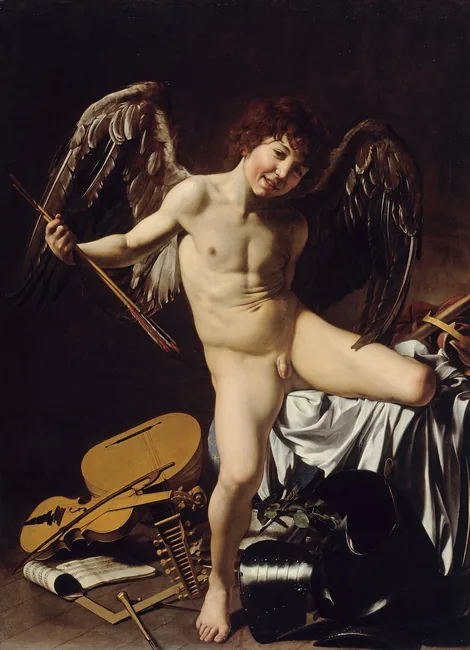
Objects of music, learning and military distinction lie beneath Cupid. The allegory gives love victory over achievements that normally confer rank. Its force comes from that inversion of attributes: the viewer can read worldly ambitions in the scattered objects at the figure’s feet.

View catalogue entry

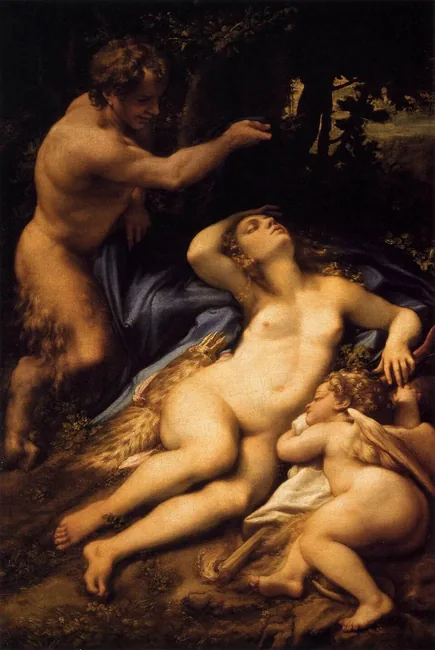
Venus, Satyr and Sleeping Cupid (Venus and Cupid with a Satyr)

Community inventory

A satyr uncovers the sleeping Venus while Cupid sleeps nearby. Looking is an action within the picture, not only something the external viewer does. Set beside Rubens’s abduction and the saint with a ram, the painting shows how different narratives use exposed bodies differently.

View catalogue entry

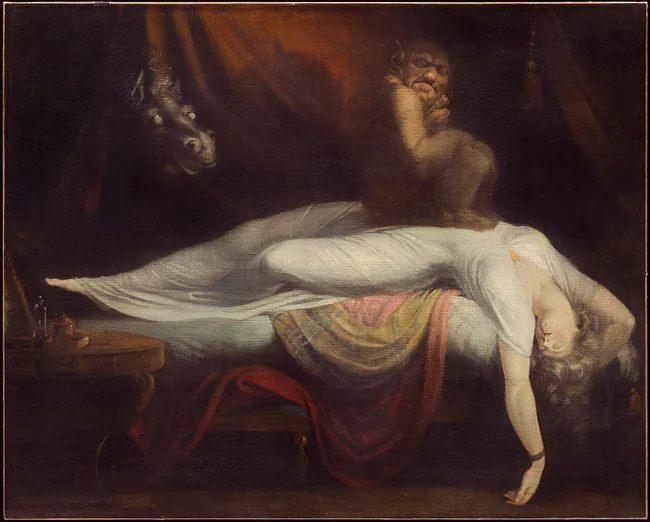
The Nightmare

Frame evidence

A sleeping figure, an incubus and a horse’s head give fear a physical presence. Fuseli stages the sensation of a nightmare rather than a rationally organised event. In Mortimer’s study the painting also helps establish an atmosphere; its later plot functions are left aside.

View catalogue entry

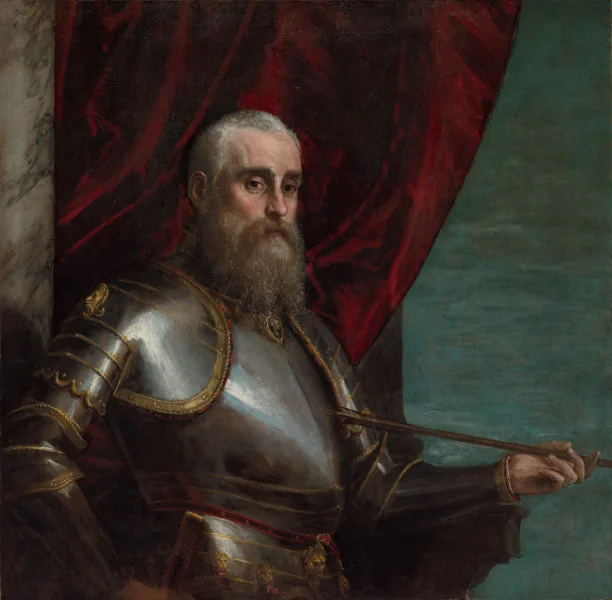
Portrait of Agostino Barbarigo — adapted as William Alexander Mortimer I

Frame evidence

The silver armour, gold borders, red curtain and arrow come from Veronese's posthumous portrait of the Venetian admiral Agostino Barbarigo. Killed at Lepanto, he holds the instrument of his death. The game reuses the composition for a fictional Mortimer ancestor, apparently replacing the face as well as the name.

View catalogue entry

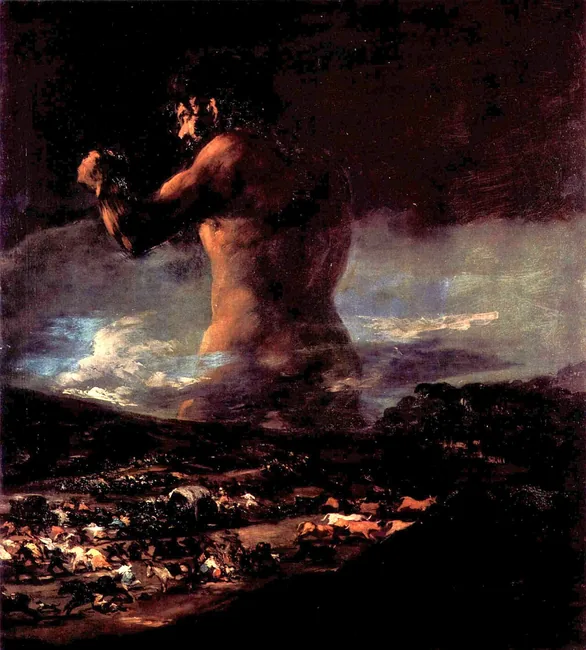
The Colossus

Frame evidence

A giant rises above clouds while people and animals scatter across the landscape below. The canvas appears on an easel in Mortimer's study, where the game treats it as unfinished. Its uncertain authorship and later date belong to the history of the real work, beyond that fictional presentation.

View catalogue entry